 Bella Madera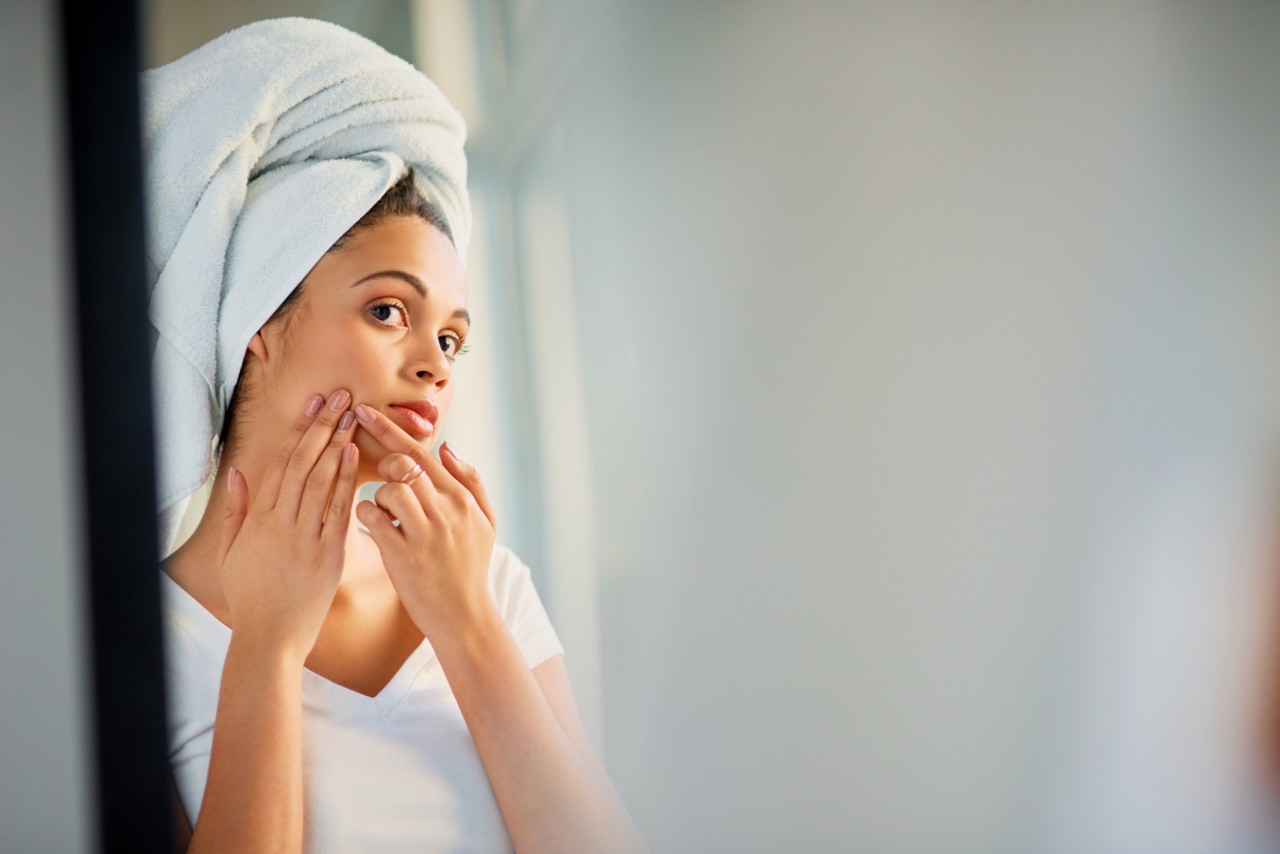
Acne is one of the most common skin concerns, affecting millions of people worldwide. While it’s often associated with teenagers, adults can experience breakouts too. Acne can be frustrating and affect confidence, but understanding what causes it and how to manage it can make a huge difference in achieving clear, healthy skin.
What Causes Acne?
Acne develops when hair follicles become clogged with oil, dead skin cells, and bacteria. Several factors can contribute to this process:
- Hormonal changes: Fluctuations during puberty, menstrual cycles, pregnancy, or stress can trigger excess oil production, leading to breakouts.
- Excess oil production: Sebaceous glands produce sebum, which can combine with dead skin cells and block pores.
- Bacterial buildup: Certain bacteria, like Propionibacterium acnes, can cause inflammation and worsen acne.
- Lifestyle factors: Poor sleep, stress, unhealthy diet, and improper skincare habits may aggravate acne.
Understanding your skin’s unique triggers is the first step toward managing acne effectively.
Types of Acne
Not all acne is the same, and knowing the type of acne you have helps determine the best treatment:
- Whiteheads and blackheads: Non-inflammatory clogged pores that appear as small bumps.
- Papules and pustules: Inflamed pimples that are red, tender, or filled with pus.
- Cysts and nodules: Severe, deep, and painful acne that can cause scarring if untreated.
Identifying the type of acne is important for choosing the right treatment and preventing long-term skin damage.
Common Misconceptions About Acne
There are many myths about acne that can make it worse:
- Acne is not caused by poor hygiene. Over-washing can strip the skin of natural oils, making breakouts worse.
- Popping pimples is harmful. It can cause inflammation, infection, and even permanent scarring.
- Harsh products aren’t the answer. Using overly strong cleansers or scrubs can damage the skin barrier, worsening acne.
Correcting these misconceptions is an important step in managing and preventing acne effectively.
Treatment Options for Acne
There are multiple ways to treat acne, depending on its severity and your skin type:
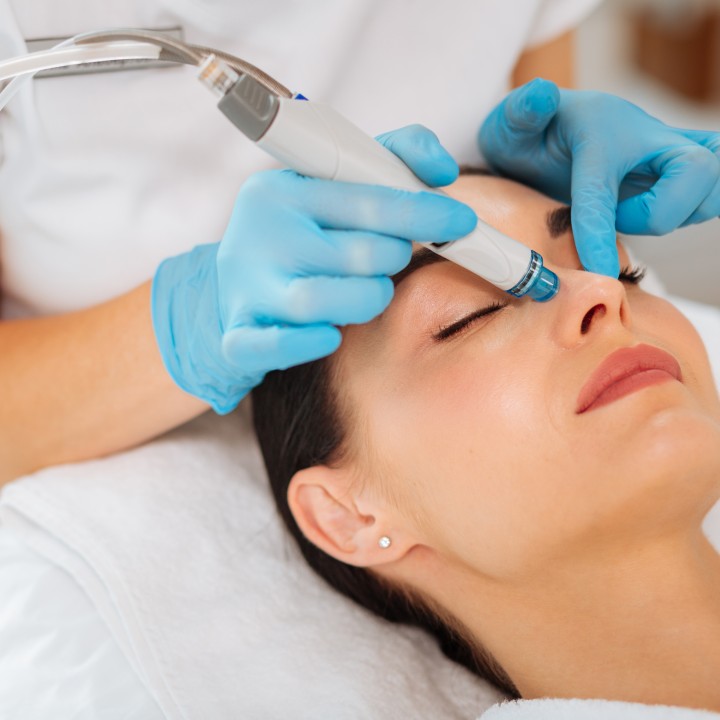
- Professional treatments: Facials, chemical peels, laser therapy, and other in-clinic procedures can target acne and improve overall skin health.
- Topical products: Ingredients like retinoids, benzoyl peroxide, and salicylic acid help unclog pores, reduce inflammation, and prevent new breakouts.
- Lifestyle adjustments: Eating a balanced diet, managing stress, and following a consistent skincare routine can support long-term skin health.
Consulting a skincare specialist is often the most effective way to create a personalized treatment plan that addresses your unique skin concerns.
At-Home Skincare Tips
Maintaining a consistent at-home routine helps support professional treatments and keep your skin clear:
- Cleanse gently: Wash your face twice a day with a mild cleanser.
- Moisturize and protect: Use non-comedogenic moisturizers and sunscreen to maintain skin balance.
- Avoid harsh scrubs: Over-exfoliating can irritate skin and worsen acne.
- Stick to a routine: Consistency is key for long-term results.
Conclusion
Acne can be challenging, but the right combination of professional care and proper at-home skincare can make a significant difference. By understanding your skin, addressing the root causes, and following a tailored routine, you can achieve clearer, healthier, and more confident skin.
Acne treatments in La Jolla
Salon Bella Bella Skin Care offers bespoke acne treatments in La Jolla, offering professional care and targeted solutions for long-lasting, radiant skin.